


SCADA for Drinking Water and Wastewater
Ganex integrates and upgrades drinking water and wastewater SCADA systems in Canada and the United States. We support municipalities, operators and project teams. Together, we define how to connect your equipment, IT/OT networks and operating data.
Supervision for Drinking Water and Wastewater Facilities
A Shared View for Operating Teams
Pump stations, reservoirs and treatment plants can use several generations of controllers, software and communications. Before integration, Ganex reviews the selected systems with your team. We then define the measurements, alarms and histories to collect. Together with operators and suppliers, we also agree on interfaces, access and authorized commands.
Centralized Alarms and History
Site-Specific IT/OT Networks
Defined Interfaces and Access
Existing Equipment Considered
From SCADA Integration to Ongoing Monitoring
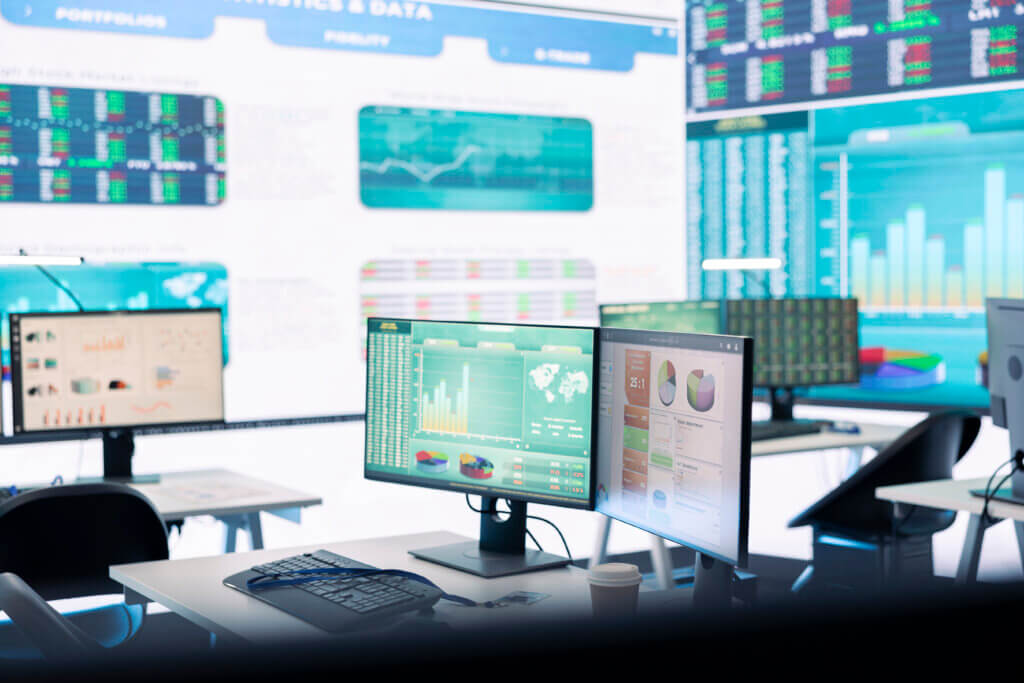
SCADA Integration for the Water Sector
Ganex defines how site equipment and software exchange information. For example, available interfaces may connect controllers, remote terminal units, instruments and operator stations. Together, we specify the data, alarms and authorized commands with your teams and suppliers.

Configuration, Testing and Commissioning
Next, we configure the selected functions and test them against agreed criteria. Checks cover communications, measurements, alarms and authorized commands. We also document the results and outstanding items. Finally, your operating team reviews the intervention plan and conditions for returning equipment to service.
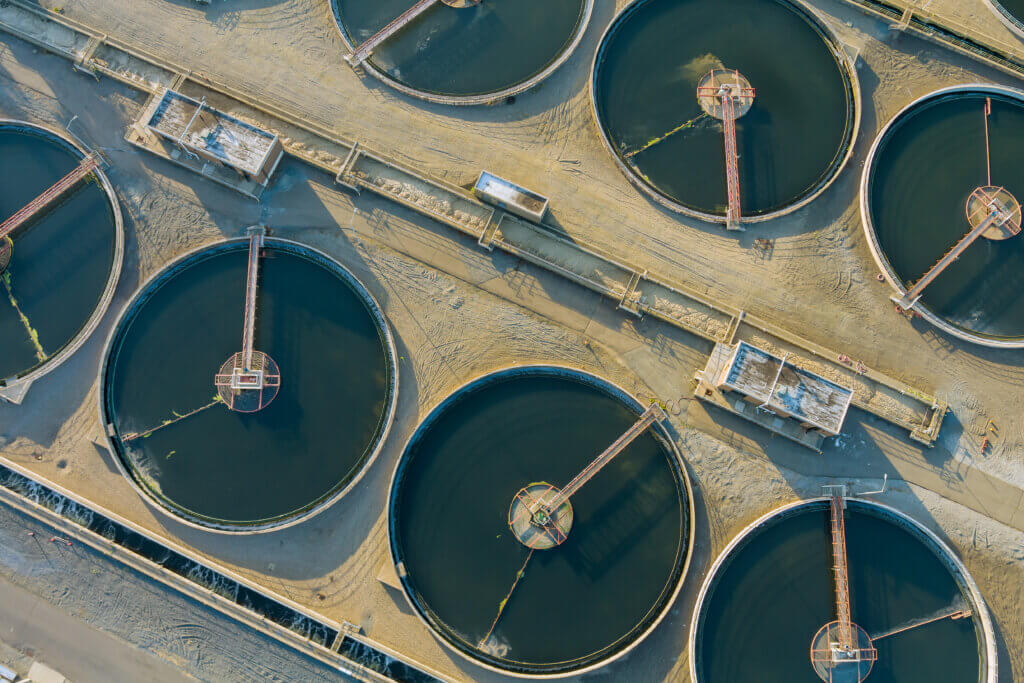
Measurements, Alarms and Event Monitoring
SCADA presents information from integrated equipment, such as levels, flows, pressures and pump status. Available instruments determine which measurements it can show. Operators then use views and histories to investigate events. In addition, IT/OT monitoring tracks the health of computing infrastructure and communications.
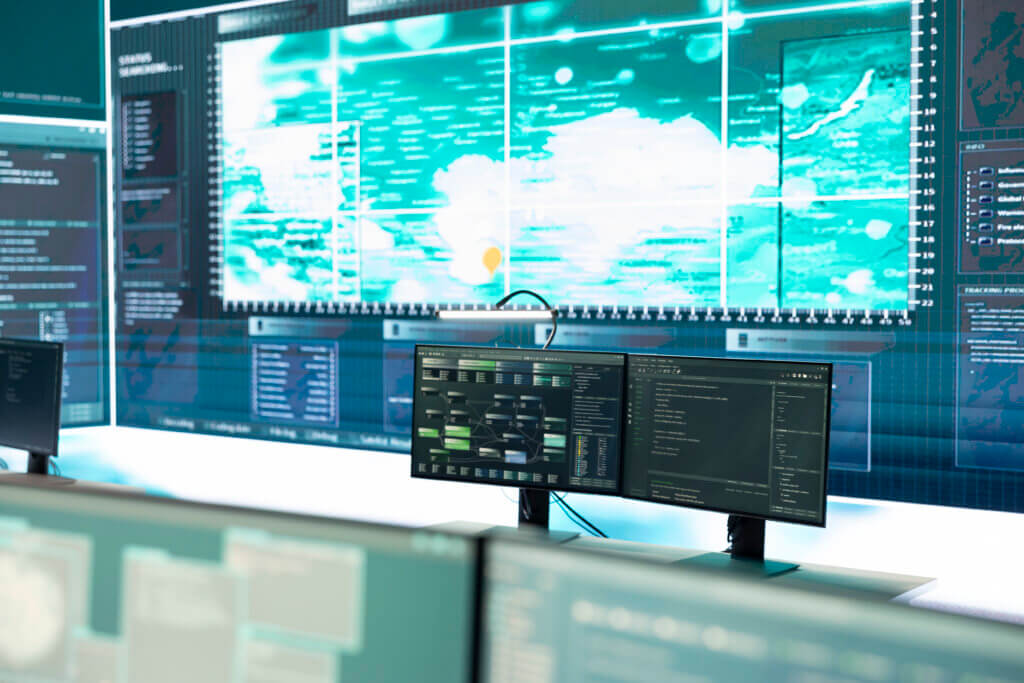
Remote Supervision and 24/7 Monitoring
Before monitoring starts, we define equipment coverage, notifications, escalation and authorized remote actions with your organization. For 24/7 monitoring, Ganex follows the agreed procedures and interfaces. We also coordinate process decisions and on-site interventions with the people responsible for operations.
An Approach Shaped Around Your Water Facilities
Clear Project Scope
Establish the sites, equipment and interfaces included in the project before configuration begins.
Organized Alarms
Define priorities, recipients and notification procedures with the teams involved.
Documented Communications
Establish data exchanges between facilities, applications and IT/OT networks.
Defined Access
Review remote access and command permissions around your organization’s needs.
Prepared Recovery
Document systems to restore, their dependencies and the steps established in the recovery plan.
Planned Modernization
Prepare upgrades and additional sites around the architecture and equipment already in place.
For Municipalities, Operators and Project Teams
Municipalities and Public Agencies
Define monitoring, data and modernization needs for your water infrastructure.
Contractors and EPCs
Coordinate SCADA interfaces, communications, testing and deliverables with the owner and suppliers.
Operating Teams
Establish the operator views, alarms, histories and IT/OT support required for your facilities.
Let’s Discuss Your Water SCADA Project
Plan Your SCADA Integration
First, describe your drinking water, collection or wastewater treatment facilities. Also list your existing systems and project priorities. We can then define the next steps with your team.
Drinking Water and Wastewater SCADA Questions
What does SCADA do in drinking water and wastewater systems?
SCADA brings together measurements, equipment status, alarms and histories from connected systems. Operators then use these views to follow facilities and issue authorized commands. Controllers run the local functions in their programming. Available supervisory functions depend on your interfaces and project scope.
Can pump stations and reservoirs be monitored remotely?
Yes, when equipment and communications allow it. Before integration, we define the data, alarms, permissions and authorized commands for each site. Your operator also reviews communications, access and intervention procedures with the project team. The design takes account of local controls and each team’s responsibilities.
Does a SCADA upgrade require replacing all existing equipment?
No. Before migration, an assessment identifies the controllers, interfaces and software to retain, adapt or replace. The project team then defines tests and intervention windows. Options depend on system condition and communications. Some steps may require a planned shutdown, so we coordinate them with operations.
How does IT/OT monitoring differ from process supervision?
IT/OT monitoring tracks the health of selected servers, network devices, software and communications. In contrast, process supervision presents measurements and events from water facilities. These services can also complement each other. Before service begins, we define coverage, alerts and responsibilities with your organization, including any 24/7 monitoring scope.
What information should we prepare for a water-sector SCADA project?
First, list your sites, equipment, controllers and software. Also gather available diagrams and communication details. Then identify the measurements, alarms and histories your operators need. Include access requirements and intervention constraints so we can define interfaces, tests and responsibilities together.
Planning a new facility, remote-site integration or modernization? Let’s review your equipment, communications and operating constraints.
Complementary Services for Your Water Facilities
Assess, monitor and modernize your infrastructure with Ganex.

Site Assessment
Identify weaknesses in your IT/OT infrastructure.
Explore the service→
Disaster Recovery Plan
Prepare to restore your systems after an interruption.
Explore the service→
IT/OT Monitoring
Monitor your infrastructure and detect anomalies.
Explore the service→
SCADA Retrofit
Plan the modernization of your existing SCADA system.
Explore the service→