Maximizing Operational Insights with Cloud-Integrated SCADA Platforms
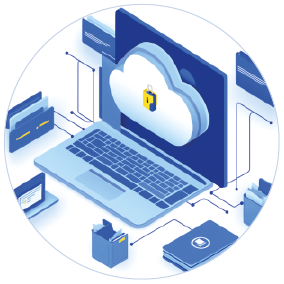
In modern industrial and energy sectors, the volume of data generated by IT and OT systems can be overwhelming. To keep up, organizations need smarter tools to streamline operations, analyze data efficiently, and respond to changes in real time. By integrating cloud services with centralized SCADA platforms, businesses can unlock a strategic advantage: simplified access to critical information for analysis, monitoring, and improved decision-making.
Unlike traditional SCADA systems used primarily for direct control, these cloud-integrated platforms are designed to consolidate, analyze, and present key insights without unnecessary complexity. Let’s explore why this shift is becoming essential for operations and control centers worldwide.
How Cloud-Enabled SCADA Adds Value
1 - Unified access to key information
Bringing together asset status, operational trends, and performance metrics into a single, centralized system eliminates the need to toggle between disconnected data sources. With cloud-enabled SCADA, teams gain a unified view of operations, from wind farms to water treatment facilities, enabling faster diagnostics and decision-making.
2 - Quick analysis and status reviews
For teams in control centers, quick access to live data is critical. Cloud SCADA systems allow for streamlined analysis of status updates, alarms, and performance trends. Whether reviewing current energy production or identifying system anomalies, these platforms provide actionable insights with speed and clarity.
3 - Real-Time collaboration and flexibility
Cloud integration removes barriers to collaboration. Teams across different locations can access the same real-time data securely, ensuring consistency in analysis and action. This flexibility also makes it easier to scale up operations or integrate new assets without major infrastructure investments.
Benefits for Modern Control Centers
Simplified Monitoring and Reporting
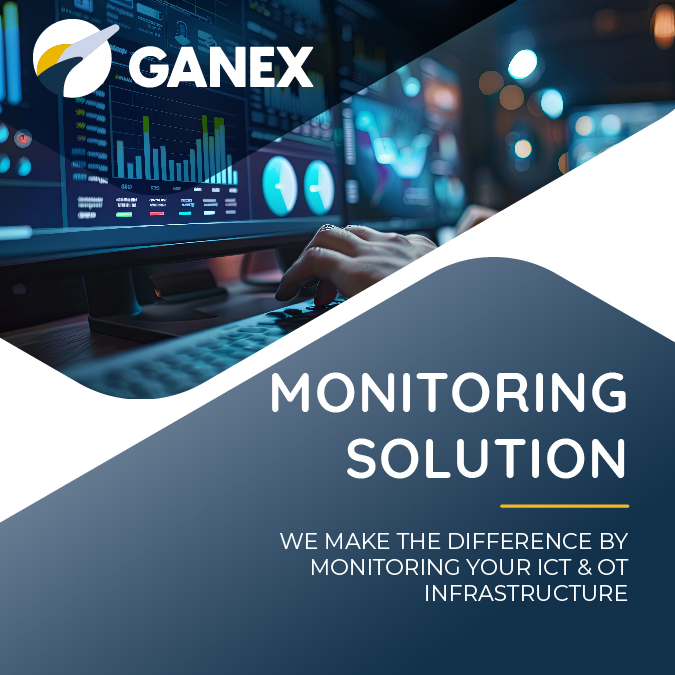
Instead of being overwhelmed by raw data, control centers can focus on clear, visualized dashboards tailored to their needs. By centralizing data for easy analysis, operators can identify issues, track performance, and anticipate potential failures.
Enhanced Performance Insights
Cloud-integrated platforms allow organizations to analyze historical and live data simultaneously, helping teams :
► Identify long-term trends or recurring issues. ► Optimize energy production and resource allocation. ► Improve response time to incidents and downtime.
Seamless Integration with Advanced Tools
Cloud-based SCADA systems integrate seamlessly with external tools, such as Power BI, machine learning analytics, or predictive maintenance software. These integrations unlock deeper insights that traditional SCADA systems cannot offer.
Accenture reports that businesses leveraging centralized analytics tools see an average 25% improvement in asset uptime and efficiency.(Source : Accenture)
Key Considerations for Implementation
As industrial and energy systems grow more complex, cloud-integrated SCADA platforms provide a streamlined way to analyze and monitor operations effectively. By centralizing critical information, these platforms simplify oversight, enhance decision-making, and enable businesses to stay ahead of operational challenges.
For organizations looking to optimize analysis and status management, investing in cloud-powered SCADA solutions is a forward-thinking step that ensures operational clarity and efficiency.
Discover more solutions to answer your questions :
Let’s connect to discuss how we can help you optimize your SCADA data